



A bone fracture can make it feel like everything has come to a standstill. But the body has an amazing ability to heal itself. Bone repair takes place in clear stages, each playing an important role in bringing back strength and function.
As Dr. Veeresh Patage, Orthopedic Surgeon in Akshayanagar, Bangalore, explains:
“Bone healing is not just about joining two ends together. It’s a biological process where your body creates, remodels, and strengthens new bone tissue until you regain full function.”
In this article, we’ll walk you through the 6 stages of bone healing, factors that influence recovery, and when to seek medical help.
What Happens When a Bone Breaks?
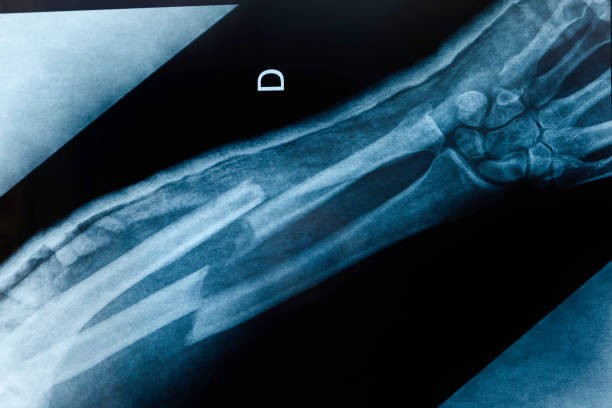
When a bone fractures, the body reacts instantly like it’s handling an emergency. Blood vessels around the site break, forming a clot that stabilizes the area. Inflammation soon follows, clearing damaged tissue and starting the repair process. This chain reaction prepares the ground for new tissue and, eventually, strong bone to grow back.
At the same time, surrounding muscles and soft tissues help protect the injured site. While this early stage can be painful, it is the body’s natural way of preparing for the step-by-step healing that follows.
The 6 Stages of Bone Healing
The process to treat child fractures is founded upon the type, severity, and location of the fracture. However, this process is as follows:
Have a fracture that needs expert care? Consult an experienced orthopedic surgeon today for personalized recovery guidance.
Factors That Influence Bone Healing
Age: Younger patients usually heal faster as their bones regenerate more efficiently, while older adults may experience slower recovery due to reduced bone density.
Fracture type & location: Simple fractures often heal quickly, but complex breaks or those in weight-bearing bones like the femur may require a longer healing time.
Nutrition: A diet rich in calcium, vitamin D, and protein provides the essential building blocks for bone repair and speeds up the recovery process.
Overall health: Conditions such as diabetes, smoking, poor circulation, or certain medications can delay bone healing and increase complication risks.
Treatment approach: Proper immobilization, surgical fixation if needed, and guided physiotherapy ensure the bone heals in the right alignment and regains full strength.
As Dr. Veeresh Patage, Orthopedic Surgeon in Akshayanagar, Bangalore, emphasizes: “Bone healing is influenced by many factors—some within our control, like nutrition and lifestyle, and others that depend on the fracture itself. The right treatment approach and consistent follow-up care can make a significant difference in achieving full recovery.”
Don’t delay healing—schedule a visit with Dr. Veeresh Patage, Orthopedic Surgeon in Akshayanagar, Bangalore.
When to See an Orthopedic Surgeon
Seek immediate help if you notice:
- Persistent or worsening pain despite treatment.
- Swelling that doesn’t subside.
- Instability or inability to bear weight.
- Signs of infection like fever, redness, or unusual discharge.
Need expert advice for your fracture recovery? Contact Dr. Veeresh Patage, Orthopedic Surgeon in Akshayanagar, Bangalore, for comprehensive treatment and rehabilitation.
Wondering how long it takes for all these stages to unfold? Let’s break down the recovery timeline
Recovery Timeline at a Glance
Week 1–2: Clot and inflammation dominate
A blood clot forms around the fracture, while inflammation clears damaged tissue and stabilizes the site.
Weeks 2–6: Soft callus forms, followed by hard callus
A soft callus bridges the bone ends, which gradually hardens into new bone to provide early strength.
Months 3–6: Bone remodeling progresses
The newly formed bone reshapes into stronger, organized tissue, slowly restoring stability and function.
Up to 12 months: Full strength and functional recovery
Bone density continues to build until the fracture fully heals, allowing safe return to daily activities.
Remember, the exact timeline varies with age, fracture severity, and treatment.
Conclusion
The stages of bone healing reflect the body’s remarkable ability to repair itself. Understanding these stages helps set realistic expectations and ensures you remain committed to recovery.
With expert care, physiotherapy, and patience, most fractures heal completely—allowing you to return to a healthy, active life.
FAQs
How long does it take for a broken bone to heal?
Most fractures heal within 6–12 weeks, though complete remodeling may take several months.
What are the 6 stages of bone healing?
They include hematoma formation, inflammation, soft callus formation, hard callus formation, bone remodeling, and complete healing.
Can a poor diet slow bone healing?
Yes, lack of calcium, vitamin D, or protein can delay recovery.
Is physiotherapy necessary after a fracture?
Absolutely. Physiotherapy helps restore strength and mobility, and prevents long-term stiffness.
When can I return to sports after a fracture?
Usually, after 3–6 months, depending on healing progress and your surgeon’s advice.