



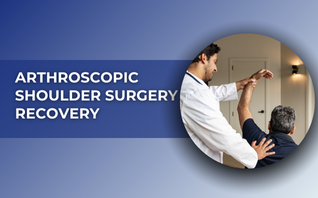
Shoulder pain can quietly affect daily life, making simple activities like lifting, dressing, or sleeping uncomfortable. When non-surgical treatments do not provide relief, arthroscopic shoulder surgery may be recommended. While the procedure is minimally invasive, recovery plays a vital role in achieving long-term success.
This guide explains what patients can expect after arthroscopic shoulder surgery, how recovery progresses, and how expert care from Dr. Veeresh Patage, orthopedic surgeon in Akshayanagar, Bangalore, helps patients return to normal life safely and confidently.
What to Expect After Arthroscopic Shoulder Surgery?
Arthroscopic shoulder surgery is performed using small incisions and a camera, allowing precise treatment with minimal tissue damage. Compared to traditional open surgery, it usually results in less pain and faster healing.
After surgery, patients may experience mild to moderate pain, swelling around the shoulder, and temporary limitation of arm movement. A sling is commonly used to support the shoulder during the early healing phase.
Patients are often discharged the same day or within 24 hours, depending on the procedure and individual health factors.
“Patients are often anxious about recovery, but modern surgical techniques and pain management make the process smoother than many expect,” says Dr. Veeresh Patage, orthopedic surgeon.

How Is Pain Managed After Surgery?
Pain management is an essential part of recovery. The goal is to keep discomfort under control so patients can move the shoulder safely and begin physiotherapy early.
Pain is usually managed with oral medications, ice therapy to reduce swelling, and proper sling use. Discomfort is typically highest during the first few days and gradually reduces over the next one to two weeks.
Taking medications as prescribed and following post-surgery instructions helps prevent unnecessary pain and stiffness.

Struggling with shoulder pain or slow recovery after surgery? Get a clear recovery plan with expert guidance from Dr. Veeresh Patage, orthopedic surgeon.
Why Is Physiotherapy Important for Recovery?
Physiotherapy plays a critical role in restoring shoulder function. Even a well-performed surgery requires structured rehabilitation to achieve optimal results.
Physiotherapy helps prevent stiffness, improves range of motion, strengthens shoulder muscles, and supports long-term joint stability. Rehabilitation usually begins within a few days after surgery with gentle, guided movements.

“Surgery and physiotherapy work together. Skipping rehabilitation can compromise even the best surgical outcomes,” explains Dr. Veeresh Patage.
Physiotherapy Recovery Phases
- Early phase focuses on pain relief and passive movements.
- Mid phase emphasizes active motion and gradual strength building.
- Later phase targets functional recovery and return to daily activities.
How Does Shoulder Movement Progress Over Time?
Shoulder movement improves gradually and follows a structured timeline. Early movement is controlled and guided to protect healing tissues.
In the initial weeks, movements are assisted and limited. As healing progresses, patients regain flexibility and strength. By later stages, functional activities and strengthening exercises are introduced.
“Patients who respect recovery timelines tend to achieve better mobility and strength in the long term,” says Dr. Veeresh Patage.
What Activities Should Be Avoided During Recovery?
Certain activities can strain the healing shoulder and should be avoided until cleared by the surgeon.
Patients should avoid lifting heavy objects, sudden or jerky arm movements, sleeping on the operated shoulder, and driving too early. Ignoring physiotherapy instructions can also delay recovery.
Simple activities like walking, gentle hand movements, and maintaining good posture are usually encouraged during recovery.
Not sure whether your shoulder recovery is progressing normally? Consult Dr. Veeresh Patage, orthopedic surgeon in Akshayanagar, Bangalore, for a timely evaluation and personalized care.
How Long Does Shoulder Surgery Recovery Take?
Recovery time varies depending on the type of surgery, the patient’s age, physical fitness, and commitment to rehabilitation.
In general:
- Pain and swelling reduce within 1 to 2 weeks
- Basic shoulder movements improve in 4 to 6 weeks
- Desk work is usually possible within 2 to 4 weeks
- Full recovery, including strength and sports activities, may take 3 to 6 months
Patients who remain physically active before surgery often recover faster after the procedure.
Consult Dr. Veeresh Patage, for expert assessment and personalized shoulder care.
Conclusion
Arthroscopic shoulder surgery offers effective relief from pain and restores shoulder function when combined with proper recovery care. Pain management, physiotherapy, activity precautions, and expert guidance all contribute to successful healing.
With the right approach and specialist support, most patients return to an active and comfortable life.
“My focus is not just surgery, but helping patients regain confidence and comfort in shoulder movement,” shares Dr. Veeresh Patage.
If you are considering arthroscopic shoulder surgery or need guidance on recovery, book a consultation with Dr. Veeresh Patage and take the first step toward long-term shoulder health.
Frequently Asked Questions
How long does it take to recover after arthroscopic shoulder surgery?
When can I start physiotherapy after surgery?
Is pain normal during shoulder surgery recovery?
Yes, mild to moderate pain is common during the early recovery phase. This discomfort gradually reduces with proper pain management, ice therapy, and physiotherapy. Persistent or increasing pain should be evaluated by your orthopedic surgeon.
When can I return to daily activities or work?
Light daily activities can often be resumed within 1 to 2 weeks. Desk work is usually possible within 2 to 4 weeks. Jobs involving heavy physical activity or sports may require 3 to 6 months, depending on recovery progress.
What precautions should I follow to protect my shoulder after surgery?
Patients should use the sling as advised, avoid lifting heavy objects, and prevent sudden or jerky movements. Following physiotherapy instructions and attending regular follow-ups with Dr. Veeresh Patage, orthopedic surgeon in Akshayanagar, Bangalore, are important for safe recovery.
References
- American Academy of Orthopaedic Surgeons (AAOS)
- Journal of Shoulder and Elbow Surgery
- National Institute for Health and Care Excellence (NICE)