



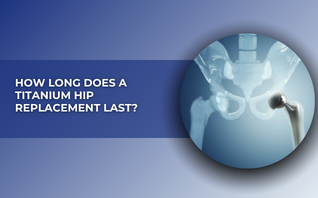
Facing hip replacement surgery naturally brings up one crucial question: how long will the new hip last? For patients considering a titanium hip replacement, understanding the longevity of your implant is essential for making informed decisions about your treatment and planning your future.
Titanium hip replacements have become the gold standard in orthopedic surgery, known for their exceptional durability and biocompatibility. But exactly how long does a titanium hip replacement last, and what factors influence its lifespan?
“The longevity of a titanium hip replacement depends on multiple factors, but with modern surgical techniques and proper patient care, these implants routinely last 15 to 25 years or even longer,” says Dr. Veeresh Patage, a leading orthopedic surgeon in Akshayanagar, Bangalore with over 15 years of experience in joint replacement surgery.
In this comprehensive guide, we’ll explore everything you need to know about titanium hip replacement longevity, from expected lifespan to factors that can extend or shorten your implant’s life.

Titanium hip replacement implant showing durability and longevity
What Is a Titanium Hip Replacement?
Osteoarthritis of the knee is a degenerative joint condition where the protective cartilage cushioning the knee joint gradually wears away. As the cartilage thins, the bones begin to rub against each other, leading to pain, stiffness, swelling, and reduced movement.
This condition usually develops slowly over time and can affect one or both knees. While it is more common in older adults, younger individuals with previous knee injuries or repetitive stress on the joint may also develop osteoarthritis.
Components of a Titanium Hip Replacement
A complete hip replacement consists of several components:
[Image of diagram showing components of a titanium hip replacement: femoral stem, femoral head, acetabular cup, and liner]
- Femoral Stem: A titanium shaft that fits into your thighbone (femur)
- Femoral Head: The ball component, typically made of ceramic or cobalt-chrome that attaches to the stem
- Acetabular Cup: A titanium shell fixed to your pelvis
- Liner: An insert (polyethylene or ceramic) that provides the socket for the ball to move in
Why Titanium Is the Preferred Material
Titanium has become the material of choice for hip replacements for several compelling reasons:
- Biocompatibility: Titanium is highly compatible with human tissue, reducing the risk of rejection or adverse reactions
- Osseointegration: The metal bonds directly with bone tissue, creating a stable, long-lasting connection
- Strength and Durability: Despite being lightweight, titanium is incredibly strong and resistant to corrosion
- MRI Compatibility: Unlike some other metals, titanium allows for safe MRI imaging after surgery
“Titanium’s ability to integrate with natural bone creates a foundation that can last for decades,” explains Dr. Veeresh Patage. “This osseointegration is key to the implant’s longevity and the patient’s long-term satisfaction.”
How Long Does a Titanium Hip Replacement Last?
The average lifespan of a titanium hip replacement is 15 to 25 years, with many patients experiencing even longer durability. Recent studies and clinical data show that modern titanium hip implants can last 30 years or more in some cases, particularly in older patients with lower activity levels.
Research-Backed Longevity Data
According to recent orthopedic research:
- Long-Term Success: Studies published in leading orthopedic journals show that approximately 85-90% of titanium hip replacements are still functioning well after 20 years.
- Revision Rates: Data from national joint registries indicate that modern titanium implants have a revision rate of less than 5% at the 10-year mark.
- Precision Technology: Advanced surgical techniques, particularly Mako Robotic Total Hip Replacement, have improved implant positioning accuracy, potentially extending longevity even further.
| Patient Age at Surgery | Expected Implant Lifespan |
|---|---|
| 50-60 years | 20-25+ years |
| 60-70 years | 25-30+ years |
| 70+ years | Typically lifetime (30+ years) |
Comparison with Previous Generation Implants
The durability of titanium hip replacements has improved significantly over the decades. Early hip replacements from the 1960s and 1970s typically lasted 10-15 years. Today’s advanced titanium implants, combined with improved surgical techniques, offer substantially longer lifespans.
“With the precision offered by robotic-assisted surgery, we can achieve optimal implant positioning that wasn’t possible even a decade ago,” notes Dr. Patage. “This level of accuracy directly translates to better implant performance and longevity.”
Factors That Affect Titanium Hip Replacement Longevity
While titanium hip replacements are built to last, several factors influence how long your specific implant will function optimally. Understanding these factors can help you maximize your hip replacement’s lifespan.

A. Patient-Related Factors
Age at Surgery
Younger, more active patients tend to wear out their hip replacements faster than older, less active individuals. This is why surgeons often recommend delaying hip replacement surgery until absolutely necessary for younger patients. However, improved implant designs now make hip replacement a viable option for appropriately selected younger patients as well.
Body Weight and BMI
Excess body weight places additional stress on your hip replacement. Studies show that patients with a BMI over 30 may experience faster wear and a higher risk of complications. Maintaining a healthy weight before and after surgery significantly improves implant longevity.
Activity Level and Lifestyle
Your daily activities directly impact how long your titanium hip replacement lasts. High-impact activities like running, jumping sports, or heavy lifting can accelerate wear. Moderate activities such as walking, swimming, cycling, and golf are generally safe and recommended.
Overall Health and Bone Quality
Conditions like osteoporosis, diabetes, or autoimmune diseases can affect how well the implant integrates with your bone. Good bone density ensures stronger fixation of the titanium components, contributing to longer implant life.
B. Surgery-Related Factors
Surgical Technique and Precision
The accuracy of implant placement is crucial. Even minor deviations in positioning can lead to uneven wear, instability, and premature failure. Advanced techniques like Mako Robotic-Arm Assisted Surgery provide submillimeter precision, optimizing implant alignment and function.
[Image of Mako Robotic-Arm Assisted Surgery hip replacement precision diagram]
Surgeon Experience
Studies consistently show that surgeons who perform higher volumes of hip replacements achieve better long-term outcomes. An experienced surgeon can better handle anatomical variations and potential complications, ensuring optimal implant positioning and fixation.
Use of Advanced Technology
Robotic-assisted surgery and computer navigation systems help surgeons achieve precise implant positioning that would be difficult to replicate with traditional methods. This precision can add years to your implant’s functional life.
C. Implant-Related Factors
Quality of Titanium Alloy
Not all titanium implants are created equal. Medical-grade titanium alloys (typically Ti-6Al-4V) used by reputable manufacturers undergo rigorous testing and quality control, ensuring consistent performance and durability.
Type of Bearing Surface
The materials that rub against each other (bearing surfaces) significantly affect wear rates:
- Ceramic-on-ceramic: Extremely low wear rates, potentially lasting 30+ years
- Ceramic-on-polyethylene: Good balance of wear resistance and cost
- Metal-on-polyethylene: Traditional option with proven long-term results
Implant Design and Manufacturer
Well-established implant designs with proven track records in clinical studies tend
Need personalized guidance on maximizing your hip replacement longevity? Contact Dr. Veeresh Patage for expert advice tailored to your situation.
How to Maximize Your Titanium Hip Replacement Lifespan
While your surgeon plays a critical role in the initial success of your hip replacement, your actions after surgery significantly influence how long your titanium implant will last. Here are evidence-based strategies to maximize your hip replacement’s longevity.

1. Lifestyle Modifications
Maintain a Healthy Weight
Every extra pound you carry adds approximately 3-6 pounds of pressure on your hip joint with each step. Maintaining a healthy BMI (ideally under 30) reduces stress on your implant and significantly extends its functional life. If you’re overweight, even losing 10-15 pounds can make a meaningful difference.
2. Choose Appropriate Physical Activities
Recommended Activities:
- Walking and hiking on even terrain
- Swimming and water aerobics
- Cycling (stationary or road)
- Golf, dancing, and doubles tennis
- Low-impact strength training
Activities to Avoid or Limit:
- Running or jogging
- Contact sports (football, basketball)
- High-impact aerobics or jumping exercises
- Heavy weightlifting
- Singles tennis or racquetball
“I encourage my patients to stay active, but choose activities wisely,” advises Dr. Veeresh Patage. “The goal is to maintain fitness and quality of life while protecting your investment in the hip replacement.”
3. Follow-up Care and Monitoring
Regular Check-ups and X-rays
Routine follow-up appointments allow your surgeon to monitor your implant’s condition before problems become serious. Your typical follow-up schedule involves:
- 6 weeks post-surgery
- 3 months post-surgery
- 1 year post-surgery
- Every 2-3 years thereafter, or as recommended
X-rays during these visits help detect early signs of wear, loosening, or bone changes around the implant.
Importance of Physiotherapy
Completing your prescribed physiotherapy program is crucial for long-term success. Physical therapy:
- Strengthens muscles that support and protect your hip
- Improves range of motion and flexibility
- Teaches proper movement patterns to reduce implant stress
- Helps maintain healthy bone density around the implant
4. Daily Care Tips
Prevent Falls and Injuries
Falls can cause serious damage to your hip replacement. To stay safe:
- Remove tripping hazards from your home (loose rugs, clutter)
- Install grab bars in bathrooms
- Ensure adequate lighting throughout your home
- Use appropriate assistive devices if needed
- Wear supportive, non-slip footwear
[Image of home safety modifications for post-hip surgery recovery]
Nutritional Support for Bone Health
Maintain strong bones around your implant through:
- Adequate calcium intake (1,000-1,200 mg daily)
- Vitamin D supplementation as recommended by your doctor
- Protein-rich diet to support muscle and bone health
- Avoid excessive alcohol and quit smoking
Listen to Your Body
Pay attention to warning signs
Conclusion
A titanium hip replacement is a significant investment in your quality of life, and understanding its expected longevity helps you make informed decisions about your treatment. With modern implants and surgical techniques, most patients can expect their titanium hip replacement to last 15-25 years or longer, with many functioning well beyond 30 years.
The key factors influencing your implant’s lifespan include your age at surgery, activity level, body weight, overall health, and the precision of the surgical technique used. By choosing an experienced surgeon who utilizes advanced technology like robotic-assisted surgery, you maximize the chances of optimal implant positioning and long-term success.
After surgery, your commitment to maintaining a healthy weight, choosing appropriate activities, attending regular follow-ups, and completing your physiotherapy program will directly impact how long your hip replacement serves you well.
Dr. Veeresh Patage, a renowned orthopedic surgeon in Akshayanagar, Bangalore, brings over 15 years of expertise in joint replacement surgery, utilizing state-of-the-art Mako Robotic technology to achieve exceptional precision and outcomes. At Vyom Ortho Care, every patient receives personalized care designed to maximize both immediate results and long-term implant longevity.
Frequently Asked Questions
Can a titanium hip replacement last 30 years or more?
Yes. Many last 30+ years, especially in older, less active patients. About 80–85% still work well at 25 years.
Does weight affect how long a titanium hip replacement lasts?
Yes. Extra weight increases stress and wear. Even modest weight loss can extend implant life and improve function.
How often should I get my titanium hip replacement checked?
After surgery: 6 weeks, 3 months, 1 year. Then every 2–3 years. See your surgeon sooner if you notice pain, clicking, or instability.
What activities can reduce the lifespan of my titanium hip replacement?
Avoid high-impact sports (running, football, heavy lifting). Stick to low-impact options like walking, swimming, cycling, or golf.
At what age does a titanium hip replacement typically last the longest?
Implants last longest in patients 70+. Younger patients may need revision, but modern designs improve outcomes.
References
-
American Academy of Orthopaedic Surgeons (AAOS). (2024).
Total Hip Replacement.
View Source -
National Joint Registry (NJR). (2023).
Hip, Knee, Ankle, Elbow and Shoulder Replacement: Annual Report.
View Source -
The Journal of Bone & Joint Surgery. (2024).
Long-term survivorship and patient satisfaction of contemporary total hip arthroplasty.
View Source
Disclaimer: The information shared in this content is for educational purposes only and not for promotional use.