



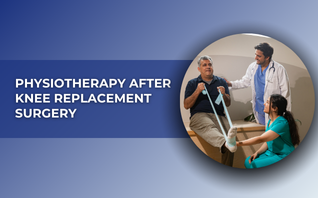
Knee replacement surgery can truly transform your life, but just having the surgery doesn’t automatically mean you’ll recover fully. What truly determines how well you walk, bend, and return to daily life is physiotherapy. According to an experienced orthopedic surgeon in Akshayanagar, Bangalore, structured physiotherapy helps restore movement, strength, and confidence after knee replacement.
Dr. Veeresh Patage, a trusted orthopedic surgeon in Akshayanagar, Bangalore, often emphasizes that recovery is a partnership between surgery, physiotherapy, and patient commitment. This blog dives into the importance of physiotherapy, what you can expect at every stage, and tips for a safe and effective recovery.
Why Physiotherapy Matters After Knee Replacement?
Physiotherapy plays a crucial role after knee replacement surgery since it impacts the muscles, ligaments, and overall joint mechanics. If you skip out on guided rehabilitation, you might end up with stiffness and weakness that can really undermine the benefits of the surgery.
Here’s how physiotherapy can help:
- Enhance your knee’s ability to bend and straighten
- Build strength in your thigh and hip muscles
- Alleviate pain and reduce swelling
- Improve your balance and walking pattern
- Prevent stiffness in the long run

Dr. Veeresh Patage explains, “A well performed surgery gives the knee structure, but physiotherapy teaches the knee how to function again.”
When Physiotherapy Begins?
Physiotherapy typically kicks off on the same day or within 24 hours post-surgery. Early movement prevents stiffness and improves circulation.
Typical timeline:
- Day of surgery or next day: assisted standing and walking
- First week: gentle knee movements and basic exercises
- After discharge: supervised outpatient or home physiotherapy
Early initiation helps patients regain confidence and reduces fear of movement.
Early Phase Physiotherapy
The early phase usually covers the first one to two weeks after surgery. The main focus here is on managing pain, reducing swelling, and ensuring safe movement.
Key goals include:
- Controlling swelling through ice application and keeping the leg elevated
- Gradually improving knee bending
- Achieving full straightening of the knee
- Starting to walk with some support
Common activities to help with recovery:
- Ankle pumps
- Tightening exercises for the quadriceps
- Assisted knee bending
- Walking with a walker or crutches
Dr. Veeresh Patage notes, “The first two weeks set the foundation for long term recovery. Consistency matters more than intensity at this stage.”

Mid to Late Phase Physiotherapy
This phase typically spans from week three to week eight, where the emphasis shifts to building strength, endurance, and functional movements.
Here are the goals for this stage:
- Bend the knee beyond 110 degrees
- Boost muscle strength
- Walk with little to no support
- Enhance balance and coordination
The exercises you might encounter include:
- Straight leg raises
- Knee bends, both sitting and standing
- Step-up and step-down training
- Stationary cycling
Many patients find that they experience noticeable improvements during this phase, especially when they stick to their exercise routine.
Common Exercises After Surgery
When it comes to exercises tailored for each patient, there are a few that tend to pop up frequently.
Exercise | Repetitions | Benefits |
Quadriceps Sets | 10-15 reps | Strengthens the quadriceps and improves knee stability |
Heel Slides | 10-15 reps | Enhances knee flexibility and range of motion |
Seated Knee Extensions | 10-15 reps | Strengthens the knee and helps regain full knee extension |
Standing Hamstring Curls | 10-15 reps | Strengthens hamstrings and improves knee flexion |
Mini Squats (with support) | 10-15 reps | Strengthens quadriceps, hamstrings, and improves balance |
Always perform exercises under guidance, especially in the initial weeks.
How Long Physiotherapy Is Needed?
Physiotherapy typically lasts between 8 to 12 weeks, but some patients might require a bit more time if they’re dealing with stiffness or muscle weakness. It’s important to keep up with your home exercises even after the supervised sessions wrap up, as this helps maintain your strength and flexibility.
An orthopedic surgeon in Akshayanagar, Bangalore will evaluate your recovery and advise you on when it might be appropriate to scale back on formal physiotherapy.
Tips for Faster Recovery
Here are some helpful tips for patients:
- Make sure to do your exercises every day as recommended.
- Don’t skip your physiotherapy sessions; they’re important!
- Keep your diet healthy and packed with protein.
- Remember to drink plenty of water.
- Stick to the walking and activity guidelines you’ve been given.
Dr. Veeresh Patage advises, “Recovery improves dramatically when patients take ownership of their rehabilitation.”
Conclusion
Physiotherapy after a knee replacement isn’t just a nice-to-have; it’s absolutely crucial. With the right guidance, a bit of patience, and a consistent approach, most patients can regain their mobility and get back to living an active life.
When under the care of a skilled orthopedic surgeon like Dr. Veeresh Patage in Akshayanagar, Bangalore, patients can look forward to a well-structured, safe, and effective recovery process.
Frequently Asked Questions
When should physiotherapy start after knee replacement surgery?
Physiotherapy usually begins within 24 hours of surgery to prevent stiffness and improve circulation.
How long is physiotherapy needed after knee replacement?
Most patients need physiotherapy for 8 to 12 weeks, followed by continued home exercises.
Is pain normal during physiotherapy after knee replacement?
Yes, mild pain or discomfort is normal, but severe pain should be reported to your doctor or physiotherapist.
Can knee replacement recovery happen without physiotherapy?
Recovery without physiotherapy is incomplete. Physiotherapy is essential for proper movement, strength, and function.
When can I walk normally and climb stairs after surgery?
Most patients walk independently within 3 to 4 weeks and climb stairs comfortably by 4 to 6 weeks.
References
- American Academy of Orthopaedic Surgeons Knee Replacement Rehabilitation Guidelines
- National Institute for Health and Care Excellence Knee Arthroplasty Care
- Journal of Orthopaedic & Sports Physical Therapy Rehabilitation After Total Knee Arthroplasty
Disclaimer: The information shared in this content is for educational purposes only and not for promotional use.